
Showing posts with label Art Mag. Show all posts
Showing posts with label Art Mag. Show all posts
Sunday, November 1, 2015
Bangladesh Pushes Back as Warnings of ISIS Expansion Gather Steam

ELLEN BARRY:
DHAKA, Bangladesh — Last month, United States officials told
Bangladeshi authorities that they had information suggesting that
terrorists linked to the Islamic State were preparing to ramp up
activity within Bangladesh’s borders.
In the days that followed, a series of unusual attacks and threats seemed to substantiate the warnings. An Italian aid worker was fatally shot in this city’s diplomatic zone. A Japanese agriculturalist was shot in the north of the country. Last Saturday, a bomber sneaked into a huge gathering of Shiite Muslims, weaving through rings of police officers before killing a teenage boy and wounding dozens of other people.
After each attack, claims of responsibility by the Islamic State appeared on social media accounts believed to be used by radicals.
But Sheikh Hasina, Bangladesh’s prime minister, has responded to the developments with suspicion and outright skepticism. Even as foreign embassies informed their citizens that they could become terrorist targets, Bangladeshi officials have insisted that the Islamic State, also known as ISIS or ISIL, does not exist in their country. They have noted, pointedly, that the United States has promulgated flawed intelligence in the past, as in the run-up to the Iraq invasion.
Instead, Ms. Hasina has described the episodes as a conspiracy by domestic opposition leaders to tarnish her government’s reputation.
“Bangladesh is moving ahead and it’ll do so,” she said on Wednesday. “Let me say one thing: The march forward of Bangladesh can’t be stopped by hurling two bombs or five eggs. Those who are thinking this are making a mistake.”
The disconnect between Bangladesh and foreign intelligence agencies has confused Bangladeshis and foreigners alike, and could complicate efforts to prevent the expansion of international terrorist organizations in South Asia. Their emergence here could be devastating, derailing years of steady economic growth and potentially spilling into India and Pakistan.
For decades, Bangladesh has grappled with a network of domestic extremist cells, some with links to opposition groups. After a period of dormancy, they appeared to have regrouped this year, carrying out four assassinations of intellectuals who have spoken out against fundamentalist Islam. At the same time, foreign security agencies have tracked Bangladeshi expatriates who are active in the Islamic State, as both recruiters and fighters, in London; Melbourne, Australia; and other cities.
Command-and-control links between those groups would introduce new dangers for Bangladesh, a democracy with a population of about 160 million, nearly all Sunni Muslim.
“We are taking the Islamic State claim very seriously,” said a senior diplomat in Dhaka, speaking on the condition of anonymity in line with protocol. “We see it unfolding around the world.”
So far, evidence of those links is fragmentary. The police here have arrested more than 30 followers of the Islamic State, mainly students from prosperous families who were planning to travel to Syria or Afghanistan to fight, said Monirul Islam, joint commissioner of the Dhaka Metropolitan Police. They also arrested a recruiter based in London “who was here to recruit boys,” Mr. Islam said.
Ali Riaz, an expert on South Asian politics at Illinois State University, said that he was “seriously skeptical” that major jihadi groups had an “organizational presence” in Bangladesh, but said that homegrown cells were eager to form affiliations.
“If opportunity arises and pathways are found, these local groups will become the I.S. franchise in no time,” he said.
The story of last month’s warning points to deep-rooted mutual suspicion between Bangladesh and foreign intelligence agencies, even as they try to build cooperation on counterterrorism.
Around a month ago, intelligence agencies from the so-called Five Eyes alliance, which includes Australia, Britain, Canada, New Zealand and the United States, received information that militants were planning an attack on foreigners in Bangladesh. On Sept. 25, Australia updated its travel advisory to report “reliable information of a possible militant attack against Australians,” an urgent matter because its national cricket team was set to fly to Dhaka to play Bangladesh in a test match.
The target was believed to be the Glitter Ball, a boozy annual costume party popular with foreigners, who in the past have organized teams dressed as Elvis impersonators, mermaids or the crew on “Star Trek.” Britain and the United States issued similar warnings to their citizens, based on the same information.
On Sept. 27, Bangladesh’s home minister dismissed Australia’s “militancy fears” as “baseless.” American officials, for their part, conveyed a description of the threat to officials traveling with Ms. Hasina, then in New York to address the United Nations General Assembly.
She found the warnings frustrating and inconclusive, said Gowher Rizvi, an aide who accompanied her on the trip. He said the United States shared “no actionable intelligence” and did not say where the information originated.
“We have a long history of sharing intelligence,” he said in an interview. “Why, on this occasion, are you taking unilateral actions and not sharing information?”
He added that, in the past, “the credulity of the world has also been tested” by flawed intelligence passed on by the United States, citing the prewar claims of weapons of mass destruction in Iraq.
In an interview, Mr. Rizvi first said the American briefing occurred on Sept. 25 or 26; he later said it was early on Sept. 28.
It was the evening of Sept. 28 when an Italian aid worker, Cesare Tavella, was shot while jogging in Dhaka’s diplomatic zone; hours later, a claim of responsibility appeared on a suspected Islamic State account on the mobile messaging app Telegram and on two suspected Islamic State Twitter accounts, according to the SITE Intelligence Group, which monitors radical Islamic propaganda.
Bangladeshi officials said the social media messages were not authentic, as they did after claims of responsibility for the killing of the Japanese citizen and the attack on the Shiite gathering.
Mr. Rizvi said that it would be “foolhardy” to discount the possibility that the Islamic State was present in Bangladesh, but that he found it unlikely. He said that a competing theory was that domestic opposition forces were seeking to throw Ms. Hasina off balance.
“Someone in the rank and file might have said, ‘Let’s stir up some confusion, this government is getting a lot of good press,’ ” he said. “This government is getting a lot of good press. It was her birthday. It happened the day she made her speech.”
Mr. Islam, of the Dhaka police, complained that the warnings came too late to prevent Mr. Tavella’s shooting.
“They should have shared with us reliable information before the incident,” he said. “If they shared, maybe we might have avoided the killing.”
A spokeswoman for the United States Embassy did not respond directly to the Bangladeshi criticism, or criticize Bangladesh for mishandling the intelligence.
“Foreign governments have shared what information they have had with their Bangladeshi partners, but it is important to recognize terrorist attacks like what we have seen recently in Bangladesh are particularly difficult to counteract,” said the spokeswoman, Nancy VanHorn. “We stand ready to continue working with Bangladesh in the face of this challenge.”
Siegfried O. Wolf, a professor of political science at the South Asia Institute of the University of Heidelberg, said that foreign intelligence agencies did withhold sensitive information from Bangladesh, fearing that it could be misused. The country is in the grip of extreme political polarization, he said, and there is factionalism and rivalry among security agencies.
Moreover, mistrust of the United States runs deep in Bangladesh and carries a personal element for Ms. Hasina, going back to the longstanding suspicion that the Central Intelligence Agency had a hand in the 1975 assassination of her father, Sheikh Mujib. More recently, she was disappointed by Washington’s cool response to her party’s controversial 2014 election victory, and by the withdrawal of trade preferences for the garment industry.
Some countries have lent support to her skepticism. Alexander A. Nikolaev, the Russian ambassador to Dhaka, suggested that the United States and its allies were exaggerating the threat, remarking after the two shootings that “two drops of water doesn’t mean rainfall.”
Over a month, the initial panic among expatriates has subsided, and foreigners have begun to reappear in Dhaka’s supermarkets and five-star hotels. But they no longer walk on the streets, ride scooters or take bicycle rickshaws. The garment export industry, a major driver of the economy, has also been affected, with some buyers for Western clothing retailers canceling their annual visits, typically used to place orders for winter.
Diplomats here say the threat remains serious. One senior Western diplomat, speaking on the condition of anonymity for reasons of protocol, said the heightened threat was a “complete game changer” that would permanently affect security conditions for foreigners.
“This is not going to blow over,” the diplomat said. “The genie is not going back in the bottle. It’s not going to un-change.”
For those Bangladeshis already apprehensive about militant activity, the contradictory messages have deepened their anxiety.
“The way this government is denying the existence of Islamic State, it is not acceptable at all,” said Mizanur Rahman Khan, a journalist at Prothom Alo, a prominent daily newspaper, who last month received a written threat on his mobile phone from “Islamic State Bangladesh” after he wrote an article about Uighur Islamic terror groups in China.
“Stop reporting against Islam and Muslims’ interests, otherwise we’re here to push you down to hell,” the message said.
Two weeks later, a stranger stopped him as he was riding a rickshaw and threatened him with a gun; he escaped on foot into a candy store. When he reported the episode to the police, he said, an official told him to stop riding rickshaws. Since then, he has stopped making television appearances, and, on the advice of his editor, varies the route he takes to work.
“We are in a very difficult position to understand the real danger,” he said. “We are not hearing anything from the government, or from the U.S. side, about what was the threat, what was the reaction of the government, why they are not cooperating.”
Julfikar Ali Manik contributed reporting from Dhaka, and Eric Schmitt from Washington.
In the days that followed, a series of unusual attacks and threats seemed to substantiate the warnings. An Italian aid worker was fatally shot in this city’s diplomatic zone. A Japanese agriculturalist was shot in the north of the country. Last Saturday, a bomber sneaked into a huge gathering of Shiite Muslims, weaving through rings of police officers before killing a teenage boy and wounding dozens of other people.
After each attack, claims of responsibility by the Islamic State appeared on social media accounts believed to be used by radicals.
But Sheikh Hasina, Bangladesh’s prime minister, has responded to the developments with suspicion and outright skepticism. Even as foreign embassies informed their citizens that they could become terrorist targets, Bangladeshi officials have insisted that the Islamic State, also known as ISIS or ISIL, does not exist in their country. They have noted, pointedly, that the United States has promulgated flawed intelligence in the past, as in the run-up to the Iraq invasion.
Instead, Ms. Hasina has described the episodes as a conspiracy by domestic opposition leaders to tarnish her government’s reputation.
“Bangladesh is moving ahead and it’ll do so,” she said on Wednesday. “Let me say one thing: The march forward of Bangladesh can’t be stopped by hurling two bombs or five eggs. Those who are thinking this are making a mistake.”
The disconnect between Bangladesh and foreign intelligence agencies has confused Bangladeshis and foreigners alike, and could complicate efforts to prevent the expansion of international terrorist organizations in South Asia. Their emergence here could be devastating, derailing years of steady economic growth and potentially spilling into India and Pakistan.
For decades, Bangladesh has grappled with a network of domestic extremist cells, some with links to opposition groups. After a period of dormancy, they appeared to have regrouped this year, carrying out four assassinations of intellectuals who have spoken out against fundamentalist Islam. At the same time, foreign security agencies have tracked Bangladeshi expatriates who are active in the Islamic State, as both recruiters and fighters, in London; Melbourne, Australia; and other cities.
Command-and-control links between those groups would introduce new dangers for Bangladesh, a democracy with a population of about 160 million, nearly all Sunni Muslim.
“We are taking the Islamic State claim very seriously,” said a senior diplomat in Dhaka, speaking on the condition of anonymity in line with protocol. “We see it unfolding around the world.”
So far, evidence of those links is fragmentary. The police here have arrested more than 30 followers of the Islamic State, mainly students from prosperous families who were planning to travel to Syria or Afghanistan to fight, said Monirul Islam, joint commissioner of the Dhaka Metropolitan Police. They also arrested a recruiter based in London “who was here to recruit boys,” Mr. Islam said.
Ali Riaz, an expert on South Asian politics at Illinois State University, said that he was “seriously skeptical” that major jihadi groups had an “organizational presence” in Bangladesh, but said that homegrown cells were eager to form affiliations.
“If opportunity arises and pathways are found, these local groups will become the I.S. franchise in no time,” he said.
The story of last month’s warning points to deep-rooted mutual suspicion between Bangladesh and foreign intelligence agencies, even as they try to build cooperation on counterterrorism.
Around a month ago, intelligence agencies from the so-called Five Eyes alliance, which includes Australia, Britain, Canada, New Zealand and the United States, received information that militants were planning an attack on foreigners in Bangladesh. On Sept. 25, Australia updated its travel advisory to report “reliable information of a possible militant attack against Australians,” an urgent matter because its national cricket team was set to fly to Dhaka to play Bangladesh in a test match.
The target was believed to be the Glitter Ball, a boozy annual costume party popular with foreigners, who in the past have organized teams dressed as Elvis impersonators, mermaids or the crew on “Star Trek.” Britain and the United States issued similar warnings to their citizens, based on the same information.
On Sept. 27, Bangladesh’s home minister dismissed Australia’s “militancy fears” as “baseless.” American officials, for their part, conveyed a description of the threat to officials traveling with Ms. Hasina, then in New York to address the United Nations General Assembly.
She found the warnings frustrating and inconclusive, said Gowher Rizvi, an aide who accompanied her on the trip. He said the United States shared “no actionable intelligence” and did not say where the information originated.
“We have a long history of sharing intelligence,” he said in an interview. “Why, on this occasion, are you taking unilateral actions and not sharing information?”
He added that, in the past, “the credulity of the world has also been tested” by flawed intelligence passed on by the United States, citing the prewar claims of weapons of mass destruction in Iraq.
In an interview, Mr. Rizvi first said the American briefing occurred on Sept. 25 or 26; he later said it was early on Sept. 28.
It was the evening of Sept. 28 when an Italian aid worker, Cesare Tavella, was shot while jogging in Dhaka’s diplomatic zone; hours later, a claim of responsibility appeared on a suspected Islamic State account on the mobile messaging app Telegram and on two suspected Islamic State Twitter accounts, according to the SITE Intelligence Group, which monitors radical Islamic propaganda.
Bangladeshi officials said the social media messages were not authentic, as they did after claims of responsibility for the killing of the Japanese citizen and the attack on the Shiite gathering.
Mr. Rizvi said that it would be “foolhardy” to discount the possibility that the Islamic State was present in Bangladesh, but that he found it unlikely. He said that a competing theory was that domestic opposition forces were seeking to throw Ms. Hasina off balance.
“Someone in the rank and file might have said, ‘Let’s stir up some confusion, this government is getting a lot of good press,’ ” he said. “This government is getting a lot of good press. It was her birthday. It happened the day she made her speech.”
Mr. Islam, of the Dhaka police, complained that the warnings came too late to prevent Mr. Tavella’s shooting.
“They should have shared with us reliable information before the incident,” he said. “If they shared, maybe we might have avoided the killing.”
A spokeswoman for the United States Embassy did not respond directly to the Bangladeshi criticism, or criticize Bangladesh for mishandling the intelligence.
“Foreign governments have shared what information they have had with their Bangladeshi partners, but it is important to recognize terrorist attacks like what we have seen recently in Bangladesh are particularly difficult to counteract,” said the spokeswoman, Nancy VanHorn. “We stand ready to continue working with Bangladesh in the face of this challenge.”
Siegfried O. Wolf, a professor of political science at the South Asia Institute of the University of Heidelberg, said that foreign intelligence agencies did withhold sensitive information from Bangladesh, fearing that it could be misused. The country is in the grip of extreme political polarization, he said, and there is factionalism and rivalry among security agencies.
Moreover, mistrust of the United States runs deep in Bangladesh and carries a personal element for Ms. Hasina, going back to the longstanding suspicion that the Central Intelligence Agency had a hand in the 1975 assassination of her father, Sheikh Mujib. More recently, she was disappointed by Washington’s cool response to her party’s controversial 2014 election victory, and by the withdrawal of trade preferences for the garment industry.
Some countries have lent support to her skepticism. Alexander A. Nikolaev, the Russian ambassador to Dhaka, suggested that the United States and its allies were exaggerating the threat, remarking after the two shootings that “two drops of water doesn’t mean rainfall.”
Over a month, the initial panic among expatriates has subsided, and foreigners have begun to reappear in Dhaka’s supermarkets and five-star hotels. But they no longer walk on the streets, ride scooters or take bicycle rickshaws. The garment export industry, a major driver of the economy, has also been affected, with some buyers for Western clothing retailers canceling their annual visits, typically used to place orders for winter.
Diplomats here say the threat remains serious. One senior Western diplomat, speaking on the condition of anonymity for reasons of protocol, said the heightened threat was a “complete game changer” that would permanently affect security conditions for foreigners.
“This is not going to blow over,” the diplomat said. “The genie is not going back in the bottle. It’s not going to un-change.”
For those Bangladeshis already apprehensive about militant activity, the contradictory messages have deepened their anxiety.
“The way this government is denying the existence of Islamic State, it is not acceptable at all,” said Mizanur Rahman Khan, a journalist at Prothom Alo, a prominent daily newspaper, who last month received a written threat on his mobile phone from “Islamic State Bangladesh” after he wrote an article about Uighur Islamic terror groups in China.
“Stop reporting against Islam and Muslims’ interests, otherwise we’re here to push you down to hell,” the message said.
Two weeks later, a stranger stopped him as he was riding a rickshaw and threatened him with a gun; he escaped on foot into a candy store. When he reported the episode to the police, he said, an official told him to stop riding rickshaws. Since then, he has stopped making television appearances, and, on the advice of his editor, varies the route he takes to work.
“We are in a very difficult position to understand the real danger,” he said. “We are not hearing anything from the government, or from the U.S. side, about what was the threat, what was the reaction of the government, why they are not cooperating.”
Julfikar Ali Manik contributed reporting from Dhaka, and Eric Schmitt from Washington.

Monday, June 23, 2014
Addio cellulite! Il rituale per combatterla
È la stagione del restyling. Per la linea: soluzioni mediche e
ritocchi soft. E super cosmetici mirati al problema. Per combattere
l'odiata cellulite, il rilassamento cutaneo, i cuscinetti di grasso...

La
cellulite è poliedrica come le donne. È democratica, perché non fa
distinzione di età e condizione economica: si stima colpisca 2,5 donne
su 3, cioè circa 24 milioni. Ed è complessa. Secondo Pier Antonio Bacci,
docente di Flebologia e Chirurgia Estetica all’Università di Siena ed
esperto del campo, ne esistono ben 29 tipologie, provocate da un
coacervo di fattori. Dietro le quinte della “buccia d’arancia”,
l’insufficienza veno-linfatica, la variazione della quantità di grasso,
la fibrosi e disturbi metabolici (resistenza insulinica o problemi
tiroidei).Tutto depone a nostro sfavore. E per quante sedute massacranti
in palestra o quanti giorni di magro si possano fare, eccola lì, sempre
presente alla prova specchio.
Come combattere la cellulite? Le italiane passano all'azione. Secondo i dati Imcas (International Master Course on Aging Skin), guidano la classifica europea dell’estetica medica a tutto tondo. Che cosa chiedono in particolare? Ne parla Antonino Di Pietro, direttore dell’Istituto Dermoclinico Vita Cutis, con ambulatori di dermatologia plastica anti-aging. «I trattamenti anticellulite, che interessano donne sempre più giovani. Oltre ad agire sulle cause, prima fra tutte le ritenzione idrica, attraverso alimentazione e movimento, può giovare la microterapia, in cui piccole iniezioni di soluzioni ipersaline richiamano per osmosi acqua dai tessuti profondi, poi eliminata dai capillari del derma. Promettente è anche l’utilizzo di microiniezioni di aminoacidi ed enzimi che stimolano i fibroblasti, migliorando il turgore di interno cosce e braccia, décolleté e addome». «Utile anche la carbossiterapia», aggiunge Maria Gabriella Di Russo, docente di Medicina Estetica nel master dell’Università di Pavia. «L’anidride carbonica medicale iniettata con ago minuscolo fa scorrere il sangue più velocemente e aiuta a smaltire scorie e gonfiore. Si possono abbinare sedute di LPG (Endermologie): una ginnastica cutanea non invasiva che migliora l’irrorazione vascolare». E se le tecniche di “medicina soft” si possono fare anche a ridosso delle vacanze, quelle chirurgiche, anche se “light”, vanno evitate nei periodi più caldi. Tra le novità hi-tech, la microlipocavitazione, una tecnica mini invasiva per addome e fianchi, cosce e glutei, ma anche ginocchia e caviglie. «È un apparecchio elettromedicale a ultrasuoni con una sonda di soli 2 millimetri, la cui cannula fredda emulsiona il grasso in eccesso, che poi viene aspirato», spiega Bruno Bovani, chirurgo plastico a Perugia. Nuova è pure l’applicazione degli ultrasuoni per rassodare il corpo. «Focalizzati dalla guida ecografica, agiscono esattamente dove serve, preservando strutture delicate come i vasi. Oggi si utilizzano anche per décolleté, braccia e ginocchia, con una casistica non ampia ma soddisfacente», sostiene Marina Romagnoli, dermatologa a Genova.
SCOPRI I PRODOTTI EFFICACI
A casa: fitness per la pelle
Per mantenersi in forma è inutile stressarsi. Lo suggeriscono gli esperti che, piuttosto, consigliano di considerare quattro variabili cardine. «Potenziamento muscolare, cardio training, dieta e massaggio localizzato. Solo combinati costituiscono un’arma vincente contro cellulite e accumuli adiposi. Ma se si vogliono ottenere risultati locali, il massaggio è di vitale importanza. È provato che pizzicottamenti e torsioni del tessuto, sia con le mani che con le macchine, sulla zona da trattare, dopo l’attività fisica e prima dell’applicazione del cosmetico, aumenta l’irrorazione dei tessuti, quindi l’efficacia del prodotto», spiega Lucile Woodward, coach sportiva e “ambasciatrice di benessere” di Biotherm.
Un efficace “rituale” (da 10 e 15 minuti) da ripetere mattina e/o sera. Attenzione: le “manovre” devono essere delicate e non devono mai far male.
1. Partire dal basso verso l'altro, con il palmo delle due mani abbracciare le caviglie e risalire verso l'alto, premendo su caviglie, polpacci e ginocchia (prima su una gamba, poi sull'altra).
2. Movimenti d'impastamento più energici ma non troppo forti, solamente su cosce, glutei e fianchi, “prendendo” tra le mani più tessuto cutaneo possibile.
3. Chiudendo le mani a pugno, lavorare la cellulite con le nocche. Alla fine ripetere la sequenza.
Iscriviti alla nostra Newsletter e scopri come vincere 1.500 euro di shopping on line
Come combattere la cellulite? Le italiane passano all'azione. Secondo i dati Imcas (International Master Course on Aging Skin), guidano la classifica europea dell’estetica medica a tutto tondo. Che cosa chiedono in particolare? Ne parla Antonino Di Pietro, direttore dell’Istituto Dermoclinico Vita Cutis, con ambulatori di dermatologia plastica anti-aging. «I trattamenti anticellulite, che interessano donne sempre più giovani. Oltre ad agire sulle cause, prima fra tutte le ritenzione idrica, attraverso alimentazione e movimento, può giovare la microterapia, in cui piccole iniezioni di soluzioni ipersaline richiamano per osmosi acqua dai tessuti profondi, poi eliminata dai capillari del derma. Promettente è anche l’utilizzo di microiniezioni di aminoacidi ed enzimi che stimolano i fibroblasti, migliorando il turgore di interno cosce e braccia, décolleté e addome». «Utile anche la carbossiterapia», aggiunge Maria Gabriella Di Russo, docente di Medicina Estetica nel master dell’Università di Pavia. «L’anidride carbonica medicale iniettata con ago minuscolo fa scorrere il sangue più velocemente e aiuta a smaltire scorie e gonfiore. Si possono abbinare sedute di LPG (Endermologie): una ginnastica cutanea non invasiva che migliora l’irrorazione vascolare». E se le tecniche di “medicina soft” si possono fare anche a ridosso delle vacanze, quelle chirurgiche, anche se “light”, vanno evitate nei periodi più caldi. Tra le novità hi-tech, la microlipocavitazione, una tecnica mini invasiva per addome e fianchi, cosce e glutei, ma anche ginocchia e caviglie. «È un apparecchio elettromedicale a ultrasuoni con una sonda di soli 2 millimetri, la cui cannula fredda emulsiona il grasso in eccesso, che poi viene aspirato», spiega Bruno Bovani, chirurgo plastico a Perugia. Nuova è pure l’applicazione degli ultrasuoni per rassodare il corpo. «Focalizzati dalla guida ecografica, agiscono esattamente dove serve, preservando strutture delicate come i vasi. Oggi si utilizzano anche per décolleté, braccia e ginocchia, con una casistica non ampia ma soddisfacente», sostiene Marina Romagnoli, dermatologa a Genova.
SCOPRI I PRODOTTI EFFICACI
A casa: fitness per la pelle
Per mantenersi in forma è inutile stressarsi. Lo suggeriscono gli esperti che, piuttosto, consigliano di considerare quattro variabili cardine. «Potenziamento muscolare, cardio training, dieta e massaggio localizzato. Solo combinati costituiscono un’arma vincente contro cellulite e accumuli adiposi. Ma se si vogliono ottenere risultati locali, il massaggio è di vitale importanza. È provato che pizzicottamenti e torsioni del tessuto, sia con le mani che con le macchine, sulla zona da trattare, dopo l’attività fisica e prima dell’applicazione del cosmetico, aumenta l’irrorazione dei tessuti, quindi l’efficacia del prodotto», spiega Lucile Woodward, coach sportiva e “ambasciatrice di benessere” di Biotherm.
Un efficace “rituale” (da 10 e 15 minuti) da ripetere mattina e/o sera. Attenzione: le “manovre” devono essere delicate e non devono mai far male.
1. Partire dal basso verso l'altro, con il palmo delle due mani abbracciare le caviglie e risalire verso l'alto, premendo su caviglie, polpacci e ginocchia (prima su una gamba, poi sull'altra).
2. Movimenti d'impastamento più energici ma non troppo forti, solamente su cosce, glutei e fianchi, “prendendo” tra le mani più tessuto cutaneo possibile.
3. Chiudendo le mani a pugno, lavorare la cellulite con le nocche. Alla fine ripetere la sequenza.
Iscriviti alla nostra Newsletter e scopri come vincere 1.500 euro di shopping on line
d.repubblica.it/beauty/2014/06/23/news/combattere-cellulite-prodotti-pi-efficaci-2180940
Saturday, June 21, 2014
To Be Thin Again- donteatcows:
t’s a windy, rainy Saturday morning but I think it’s kind of
pretty outside. I’m feeling optimistic and, honestly, conceited. Today
is about me. Feeling pretty, looking pretty, getting thinner, feeling
empty, being productive.

I’m going to open the blinds in my bedroom and stick around inside while it rains. I’ll start the day with a cup or two of coffee and probably drink tea for the rest of the day.

This is how I want to look
I’m going to open the blinds in my bedroom and stick around inside while it rains. I’ll start the day with a cup or two of coffee and probably drink tea for the rest of the day.
This is how I want to look
Monday, January 27, 2014
The Massacre of Muslims in Burma continues, with over 1000 killed
The Massacre of Muslims in Burma continues,
with over 1000 killed in cold blood yesterday, without any media
interest!
Wednesday, January 22, 2014
MSPs call on Scottish Government to develop national strategy for tackling child sex exploitation
THE Public Petitions Committee called
for new research into the nature and scope of child sex exploitation in
Scotland and new Government guideline for dealing with it.
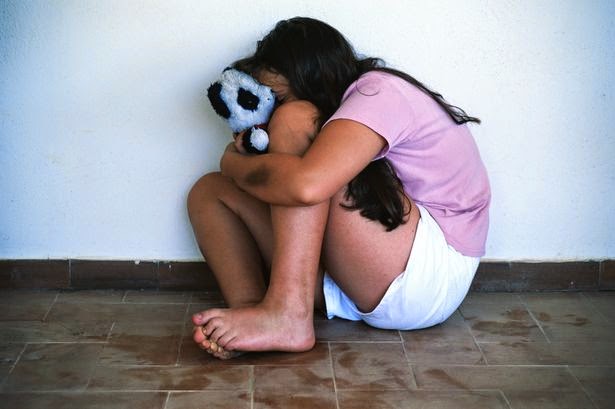
>> The inquiry called for a national strategy for tackling child sex exploitation
SCOTLAND needs a national strategy for tackling child sexual exploitation, according to a Holyrood committee.
An inquiry by the Public Petitions Committee found that at times there can be a "piecemeal approach" to the issue, with a lack of co-ordination among groups and organisations working in this area.
It also found that further research is needed to reveal the full extent of child sexual exploitation.
The committee's inquiry was launched following a petition from charity Barnardo's Scotland, calling for new research into the nature and scope of the problem in Scotland and new Scottish Government guidelines for dealing with it.
Further recommendations from the committee include establishing refuges for young victims across the country and establishing education programmes in schools.
It has also suggested mandatory training for frontline and specialist police officers on the legislative options available to them to disrupt the perpetrators of exploitation.
Committee convener David Stewart MSP said: "During the course of this inquiry our committee has heard some difficult, and at times challenging, evidence about child sexual exploitation in Scotland.
"We received powerful first-hand accounts which were anonymised and included in full in our report.
"The committee recognises that although there is a lot of positive work being done, it can be piecemeal. It lacks the clear leadership and co-ordination needed to tackle effectively the sexual exploitation of our children.
"There is also the very real danger that child sexual exploitation will continue to be a hidden problem in Scotland, which is why further research must be carried out to establish the scale of the problem and how best to shape services to address it."
SCOTLAND needs a national strategy for tackling child sexual exploitation, according to a Holyrood committee.
An inquiry by the Public Petitions Committee found that at times there can be a "piecemeal approach" to the issue, with a lack of co-ordination among groups and organisations working in this area.
It also found that further research is needed to reveal the full extent of child sexual exploitation.
The committee's inquiry was launched following a petition from charity Barnardo's Scotland, calling for new research into the nature and scope of the problem in Scotland and new Scottish Government guidelines for dealing with it.
Further recommendations from the committee include establishing refuges for young victims across the country and establishing education programmes in schools.
It has also suggested mandatory training for frontline and specialist police officers on the legislative options available to them to disrupt the perpetrators of exploitation.
Committee convener David Stewart MSP said: "During the course of this inquiry our committee has heard some difficult, and at times challenging, evidence about child sexual exploitation in Scotland.
"We received powerful first-hand accounts which were anonymised and included in full in our report.
"The committee recognises that although there is a lot of positive work being done, it can be piecemeal. It lacks the clear leadership and co-ordination needed to tackle effectively the sexual exploitation of our children.
"There is also the very real danger that child sexual exploitation will continue to be a hidden problem in Scotland, which is why further research must be carried out to establish the scale of the problem and how best to shape services to address it."
dailyrecord.co.uk/news/scottish-news/msps-call-scottish-government-develop-3021169
Sunday, December 29, 2013
India, Bangla to face off in court -December date to hear 40-year-old dispute over patch of sea by CHARU SUDAN KASTURI
India and
Bangladesh will confront each other this December in the UN’s top
arbitration court at The Hague in search of a final victory in a
four-decade-long maritime dispute over a Bengal-sized, gas-rich patch of
sea at the mouth of the Hariabhanga river.
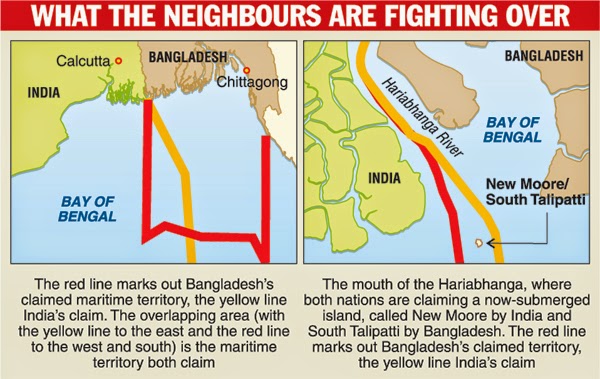
The Permanent Court of Arbitration, the highest arbiter of territorial disputes between nation states for over 100 years, has decided to hear arguments on the dispute from December 9, senior government officials have told The Telegraph.
The court will declare its final verdict in March, the officials said. The court’s judgment cannot be challenged under international law.
“After 40 years of dispute, this is it,” an official said. “What the court decides will determine where we can fish, where we can hunt for minerals and where we can dig for oil and gas.”
The neighbours have bickered over the about 80,000sqkm patch of sea in the Bay of Bengal from 1971, when Bangladesh was born. The patch includes a disputed maritime border — 12 nautical miles off the coast of each nation — and a large economic zone over which both assert exclusive rights.
In 2009, after a dozen rounds of inconclusive talks that started in 1974, Bangladesh had approached the Permanent Court of Arbitration, followed by India later that year.
At stake is the future livelihood of millions of Bengal and Odisha fishermen, for whom the settlement could open up miles of unchallenged open sea that both India and Bangladesh currently prevent each other from using for anything other than transit. As fish near the coast are depleted, fishermen are increasingly finding themselves forced to go further out to sea.
India in 2006 also discovered 100 trillion cubic feet of natural gas in a creek about 50km to the south of the mouth of the Hariabhanga, and within the contested region. This is almost twice what the entire Krishna-Godavari basin at the centre of the corporate battle between the Ambani siblings has been shown to hold to date.
The disputed stretch starts at the mouth of the Hariabhanga, where both India and Bangladesh have claimed an uninhabited island that emerged in the 1970s after a series of cyclones and sank in 2010 amid rising water levels.
The island itself isn’t important for either nation, though India had planted a flag on it.
But whoever gets the island — called New Moore by India and South Talipatti by Bangladesh — will also gain a triangular slice of sea bordered by the river’s mouth in the north, and the island in the south.
The disputed area expands further out at sea, because of differing arguments that India and Bangladesh will make before the arbitration court. India is arguing that the maritime territory and the exclusive economic zones be demarcated on the basis of “equidistance” — equal distance from the nearest point on the coast for both nations.
The principle of equidistance, recognised under the UN Convention of the Law of Sea, is ironically the principle that helped Bangladesh win a similar dispute with Myanmar last year.
But Bangladesh is arguing that the principle of equidistance does not hold in its dispute with India, because its coast has large and frequent concave dimples.
Instead, Bangladesh is arguing, the maritime territory should be demarcated on the principle of equity — equal areas of the sea for both nations.
Bangla clashes kill 9
Nine persons were killed in violence that rocked cities across Bangladesh as the main Opposition BNP today enforced a 48-hour transport blockade to push its demand for postponing the general election scheduled for January 5 amid a standoff over the interim government that will conduct the polls, PTI reported.
A paramilitary soldier was among nine persons killed in the violence that erupted soon after the Election Commission announced the poll schedule yesterday. Over 100 people, including policemen, were injured across the country.
telegraphindia.com
Tuesday, December 17, 2013
Profile: Marwan Barghouti
Marwan Barghouti was not well known among Palestinians until he came to prominence as a leader of the second Intifada.
Friday, November 15, 2013
Commentary- Rule of law vs use of law to intimidate: AL is behaving as if it will never be in opposition by Mahfuz Anam
We have seen an inordinate rise of violence in opposition politics —
injuring, burning and killing of ordinary people during hartal.
Tuesday, October 15, 2013
Burqa si, Burqa no, Burqa boh...esempio di grande giornalismo
Lettera del lettore al giornale:
Scrivo delle osservazioni sulla "guerra al burka" che in questi giorni sta animando i sindaci italiani. A ben ragione, secondo me, non tanto perché sia un burka (certo affermare che sia un bell'abito mi sembra troppo!), ma mi sembra si stia tralasciando l'aspetto della sicurezza, di questi tempi da non trascurare.
Questa estate nel mio paese natìo in Sardegna, dal fruttivendolo in un baracchino all'aperto si è fermato per far spesa un motociclista col casco in testa. Beh, ha tenuto il casco (integrale) con visiera scura abbassata per tutto il tempo fino a quando è salito di nuovo sulla sua moto ed è volato via a 300Km/h! Ricordo che nel momento mi sono un pò spaventata nel vedere questo uomo "mascherato" che si avvicinava. Poi si è rivelato essere solo un amante della frutta. Ma se al suo posto ci fosse stato un malintenzionato?
Quando poi al Tg ho sentito della legge italiana che vieta di andare in giro con il volto coperto, ricordo di aver pensato: "Giusto, dovrebbero essere multate persone come il motociclista! Potrebbero essere pericolose." Non sono contro il casco, anzi, ma non mi era sembrato il caso che lo portasse anche per fare spesa.
Ora il caso delle donne col burka. Mi sembra che l'attenzione dell'opinione pubblica si tesa a vedere cosa fa Gentilini, cosa dice la Lega, cosa fa il sindaco di Pordenone, cosa fa il Prefetto in risposta, senza considerare la pericolosità di questo gioco.
Col rischio che si corre in Italia di questi tempi, non mi sembra proprio il caso far andare in giro persone coperte dalla testa ai piedi. Qualcuno, con in mente piani criminali, potrebbe approfittare della cosa, far danni e solo dopo si dirà: "Tutti col viso scoperto!" E giustamente la legge dovrebbe, anzi, deve valere per tutti! Perché si deve aspettare che succedano le stragi prima di prendere provvedimenti?
Cordiali saluti.
"Gentile lettrice"
PREMESSA: Si noti come la cortese lettrice non faccia alcun riferimento a guerre di cultura o religione ma , con un nitore espressivo ed una ammirevole ed equilibrata essenzialità, si limiti a segnalare proprio disagio di fronte ad un altrui inosservanza di una norma di legge posta a tutela di dell'ordine pubblico. La norma, prevista dal nostro ordinamento giuridico, che prevede che NESSUNO possa circolare con il volto coperto ( si tollera tale comportamento a carnevale ).
Il brillante giornalista risponde.
Si noti come la sua risposta alla "cortese lettrice" assomigli molto a quei temi di italiano scritti da uno studente svogliato che, non avendo alcuna idea precisa ed alcun interesse per la materia da trattare, opera una sorta di "assemblaggio selvaggio" di frasi fatte e luoghi comuni .
Risultato: un'accozzaglia di periodi insulsi tanto per presentare il temino alla professoressa sperando di raggiungere la sufficienza
Nota: (le parti i giallo sono miei commenti)
TEMINO DEL GRANDE GIORNALISTA
Gentile signora,
come sempre, quando scoppia un caso che fa "notizia", ci si butta tutti (giornalisti compresi) sopra facendogli assumere proporzioni di gran lunga superiori alla realtà.
- quel (giornalisti compresi) era indispensabile. Grazie della precisazione. Non l'avremmo mai pensato.
È esattamente quanto sta accadendo con il burka. I casi registrati in Italia sono pochissimi e riguardano persone regolarmente residenti. Donne, probabilmente succubi dei mariti, ma forse anche animate da profonde convinzioni,
- succubi o animate da profonde convinzioni? non fa,forse, qualche differenza?
che non vanno nè derise nè compiante.
- bravo! ma la lettrice ha solo sollevato il problema della sicurezza.
È una realtà che esiste,
- sic!
in altri Paesi è la normalità.
- e allora?
Non dobbiamo giudicare e tantomeno condannare.
- detta così è solo banalità buonistico-qualunquista.. e allora?...ma la lettrice ha solo sollevato il problema della sicurezza!
E poi...possiamo dare per scontato che "Non dobbiamo giudicare e tantomeno condannare" ?
Non sono daccordo perchè:
A) Rivendico il diritto di farmi una mia opinione su tutto ciò che mi circonda e, conseguentemente di esprimerla dando IL MIO PERSONALE GIUDIZIO (giudizio etico, morale....non giudiziario)!
B) Quanto a "condannare" ci penseranno i giudici (quelli veri) se ravviseranno un comportamento antigiuridico, una violazione di legge.
Certamente per la nostra cultura, diciamo pure anche per la nostra civiltà, una simile discriminazione della donna pare inaccettabile.
- e allora che facciamo? giudichiamo o non giudichiamo? ..e deciditi!...bravo! ma la lettrice ha solo sollevato il problema della sicurezza.
Ma non dobbiamo per questo sentirci superiori o migliori:
- sentirci chi? superiori o migliori di che? ma chi l'ha detto - LA LETTRICE NO DI CERTO! ..uffa.....ma la lettrice ha solo sollevato il problema della sicurezza!
non sono passati molti anni da quando le donne hanno conquistato, nel progredito Occidente, il diritto di voto; per non parlare, andando indietro solo di pochi decenni, delle discriminazioni che i civilissimi Stati Uniti imponevano ai neri. E se entriamo nel campo della religione, ricordiamoci che la Chiesa, un Papa nero lo ha tollerato solo nella canzone dei Pitura Freska. Non siamo superiori, abbiamo compiuto percorsi diversi rispetto agli islamici.
- bravo..azz..hai dimenticato le crociate. (..e..forse anche la questione palestinese). Ma.....ma la lettrice ha solo sollevato il problema della sicurezza!!
POI, FINITO IL PENOSO "TEMINO" ECCO IL NOSTRO GIORNALISTA CHE "CI METTE DEL SUO" CON UN PENSIERO A DIR POCO ILLUMINANTE
Però tutto questo preambolo di tolleranza e comprensione, prevede anche il principio della reciprocità: accettiamo le diversità altrui, ma pretendiamo il rispetto delle nostre regole.
- - E finalmente una cosa sensata! Complimenti al giornalista! Bravo, bravo, bravo. Ha introdotto anche il bel concetto della RECIPROCITA'. vediamo come lo sviluppa...
In Italia non si può girare a volto coperto. Nè con il casco, nè con il burka: chi vuole vivere in Italia deve adeguarsi.
Punto. Fine. Grande giornalista si ferma qui.
:-? ... beh?
Ooooooo!!!!!!!!!!!!!! BRAVO
Ma, mi vien da riflettere sulla " RECIPROCITA' "
Bella parola ...la reciprocità...ma..che vuol dire..che se nel paese fondamentalista consentiranno alle donne italiane di girare allegramente in minigonna e decolletè anche noi lasceremo girare le donne islamiche "osservanti" a volto coperto per le vie dei nostri borghi?
Come lo spiegheremo, allora agli amanti del passamontagna e del casco integrale senza moto (burqa si, passamontagna no)
Oppure, nel caso Burqa si, passamontagna anche, come lo spiegheremo all madre del bimbo ucciso da un camorrista col volto coperto da un "qualchecosa" che siccome la Gruber puo' girare per baghdad in minigonna anche "pasquale o fetentone" noto cammorrista puo' andarsene allegramente in giro a volto coperto.
E poi, francamente, con i tempi che corrono, stareste tranquillamente seduti all'aeroporto accanto ad una persona con il volto coperto ed un vestito che copre bene qualsiasi cosa alla vista dalla testa ai piedi?
Che baggianata!
..Va là..va là...
Ma...poi...è davvero l'Islam che vuole il burqa?
http://www.repubblica.it/online/mondo/afgsedici/noburqa/noburqa.html
Premesso: Che non sto parlando dell'Islam ma del Burqa e del fondamentalismo (islamico o cattolico che sia - per me pari sono)
Mi chiedo:
Come è possibile per una bella mente aperta difendere parimenti e con ugual convinzione.
a) L'uso del burqa come libera espressione di una cultura diversa (e..allora..perchè non l'infibulazione, la lapidazione dell'adultera, o la simpatica pratica del rogo domestico della ragazzina biricchina che non ne vuol sapere dei dictat del padre, appoggiato, spesso, dalla "libera scelta" di sottomissione della madre?)
b) La difesa più elementare della dignità di un essere umano (nel caso di specie una donna che , se non imburkata rischia, nel paese d'origine, qualche sensibile e corporale manifestazione di dissenso di quella società civile?)
Davvero si può pensare che tutte le idee abbiano pari dignità e debbano essere rispettate con il semplice riferimento a non ben definiti "connotati culturali"?
Qualche esempio:
In una società mafiosa chi denuncia un assassino merita di essere ucciso perche " è un'infame". E' una regola di un ordinamento giuridico improprio (quello mafioso)
Uno scrittore islamico che scriva in difformità al pensiero fondamentalista rischia una condanna a morte in contumacia per un'interpretazione (arbitraria e strumentale?) della legge Coranica : E' una regola "morale"di quel sistema che ha tristi conseguenze (non solo sul piano morale)
In alcuni paesi l'adulterio"della donna" e' punito con la lapidazione. Norma giuridica di un ordinamento valido.
Quando i soldati nazisti uccidevano gli ebrei lo facevano "eseguendo degli ordini" - le regole di un ordinamento giuridico valido (quello dello stato nazional socialista della germania nazista)
A che serve, in questi casi ragionare in termini di "Reciprocità".
E poi......
Che senso ha dire che "ci sentiamo superiori" perchè non lapidiamo l'adultera.
L'adultera non va lapidata. Punto e basta.
Il giornalista del "Gazzettino" di cui sopra , dopo una serie di banalità per riempire delle righe del giornale, una cosa semplice e sensata l'ha detta (ma l'aveva già detta la cortese lettrice):
"Ma..se la legge italiana vieta di andare in giro a volto coperto (anche con un casco integrale o un bel passamontagna) perchè mai dovrebbe essere consentito, in italia, l'uso del burqa?"
Qui son d'accordo.
Chi viene in italia deve rispettare la legge italiana.
Può attivarsi politicamente affinchè essa venga cambiata.
Ma..finchè essa non viene cambiata, democraticamente e attraverso canali legislativi ordinari, essa va rispettata.
Se una donna (per sua libera scelta?) vuole indossare il burqa, lo faccia pure. Dove la legge dello stato in cui vive lo permette.
(ma l'aveva già detta la cortese lettrice)
Il resto dell'articolo (tutto) è "aria fritta".
Libertà e dignità = sempre
Reciprocità = si, certo, ma non quando si parla di diritti umani. I diritti umani vanno sempre rispettati. La reciprocità non c'entra.

Comunque (tanto per mandare in vacca la tirata moralista di cui sopra) ...
Scrivo delle osservazioni sulla "guerra al burka" che in questi giorni sta animando i sindaci italiani. A ben ragione, secondo me, non tanto perché sia un burka (certo affermare che sia un bell'abito mi sembra troppo!), ma mi sembra si stia tralasciando l'aspetto della sicurezza, di questi tempi da non trascurare.
Questa estate nel mio paese natìo in Sardegna, dal fruttivendolo in un baracchino all'aperto si è fermato per far spesa un motociclista col casco in testa. Beh, ha tenuto il casco (integrale) con visiera scura abbassata per tutto il tempo fino a quando è salito di nuovo sulla sua moto ed è volato via a 300Km/h! Ricordo che nel momento mi sono un pò spaventata nel vedere questo uomo "mascherato" che si avvicinava. Poi si è rivelato essere solo un amante della frutta. Ma se al suo posto ci fosse stato un malintenzionato?
Quando poi al Tg ho sentito della legge italiana che vieta di andare in giro con il volto coperto, ricordo di aver pensato: "Giusto, dovrebbero essere multate persone come il motociclista! Potrebbero essere pericolose." Non sono contro il casco, anzi, ma non mi era sembrato il caso che lo portasse anche per fare spesa.
Ora il caso delle donne col burka. Mi sembra che l'attenzione dell'opinione pubblica si tesa a vedere cosa fa Gentilini, cosa dice la Lega, cosa fa il sindaco di Pordenone, cosa fa il Prefetto in risposta, senza considerare la pericolosità di questo gioco.
Col rischio che si corre in Italia di questi tempi, non mi sembra proprio il caso far andare in giro persone coperte dalla testa ai piedi. Qualcuno, con in mente piani criminali, potrebbe approfittare della cosa, far danni e solo dopo si dirà: "Tutti col viso scoperto!" E giustamente la legge dovrebbe, anzi, deve valere per tutti! Perché si deve aspettare che succedano le stragi prima di prendere provvedimenti?
Cordiali saluti.
"Gentile lettrice"
PREMESSA: Si noti come la cortese lettrice non faccia alcun riferimento a guerre di cultura o religione ma , con un nitore espressivo ed una ammirevole ed equilibrata essenzialità, si limiti a segnalare proprio disagio di fronte ad un altrui inosservanza di una norma di legge posta a tutela di dell'ordine pubblico. La norma, prevista dal nostro ordinamento giuridico, che prevede che NESSUNO possa circolare con il volto coperto ( si tollera tale comportamento a carnevale ).
Il brillante giornalista risponde.
Si noti come la sua risposta alla "cortese lettrice" assomigli molto a quei temi di italiano scritti da uno studente svogliato che, non avendo alcuna idea precisa ed alcun interesse per la materia da trattare, opera una sorta di "assemblaggio selvaggio" di frasi fatte e luoghi comuni .
Risultato: un'accozzaglia di periodi insulsi tanto per presentare il temino alla professoressa sperando di raggiungere la sufficienza
Nota: (le parti i giallo sono miei commenti)
TEMINO DEL GRANDE GIORNALISTA
Gentile signora,
come sempre, quando scoppia un caso che fa "notizia", ci si butta tutti (giornalisti compresi) sopra facendogli assumere proporzioni di gran lunga superiori alla realtà.
- quel (giornalisti compresi) era indispensabile. Grazie della precisazione. Non l'avremmo mai pensato.
È esattamente quanto sta accadendo con il burka. I casi registrati in Italia sono pochissimi e riguardano persone regolarmente residenti. Donne, probabilmente succubi dei mariti, ma forse anche animate da profonde convinzioni,
- succubi o animate da profonde convinzioni? non fa,forse, qualche differenza?
che non vanno nè derise nè compiante.
- bravo! ma la lettrice ha solo sollevato il problema della sicurezza.
È una realtà che esiste,
- sic!
in altri Paesi è la normalità.
- e allora?
Non dobbiamo giudicare e tantomeno condannare.
- detta così è solo banalità buonistico-qualunquista.. e allora?...ma la lettrice ha solo sollevato il problema della sicurezza!
E poi...possiamo dare per scontato che "Non dobbiamo giudicare e tantomeno condannare" ?
Non sono daccordo perchè:
A) Rivendico il diritto di farmi una mia opinione su tutto ciò che mi circonda e, conseguentemente di esprimerla dando IL MIO PERSONALE GIUDIZIO (giudizio etico, morale....non giudiziario)!
B) Quanto a "condannare" ci penseranno i giudici (quelli veri) se ravviseranno un comportamento antigiuridico, una violazione di legge.
Certamente per la nostra cultura, diciamo pure anche per la nostra civiltà, una simile discriminazione della donna pare inaccettabile.
- e allora che facciamo? giudichiamo o non giudichiamo? ..e deciditi!...bravo! ma la lettrice ha solo sollevato il problema della sicurezza.
Ma non dobbiamo per questo sentirci superiori o migliori:
- sentirci chi? superiori o migliori di che? ma chi l'ha detto - LA LETTRICE NO DI CERTO! ..uffa.....ma la lettrice ha solo sollevato il problema della sicurezza!
non sono passati molti anni da quando le donne hanno conquistato, nel progredito Occidente, il diritto di voto; per non parlare, andando indietro solo di pochi decenni, delle discriminazioni che i civilissimi Stati Uniti imponevano ai neri. E se entriamo nel campo della religione, ricordiamoci che la Chiesa, un Papa nero lo ha tollerato solo nella canzone dei Pitura Freska. Non siamo superiori, abbiamo compiuto percorsi diversi rispetto agli islamici.
- bravo..azz..hai dimenticato le crociate. (..e..forse anche la questione palestinese). Ma.....ma la lettrice ha solo sollevato il problema della sicurezza!!
POI, FINITO IL PENOSO "TEMINO" ECCO IL NOSTRO GIORNALISTA CHE "CI METTE DEL SUO" CON UN PENSIERO A DIR POCO ILLUMINANTE
Però tutto questo preambolo di tolleranza e comprensione, prevede anche il principio della reciprocità: accettiamo le diversità altrui, ma pretendiamo il rispetto delle nostre regole.
- - E finalmente una cosa sensata! Complimenti al giornalista! Bravo, bravo, bravo. Ha introdotto anche il bel concetto della RECIPROCITA'. vediamo come lo sviluppa...
In Italia non si può girare a volto coperto. Nè con il casco, nè con il burka: chi vuole vivere in Italia deve adeguarsi.
Punto. Fine. Grande giornalista si ferma qui.
:-? ... beh?
Ooooooo!!!!!!!!!!!!!! BRAVO
Ma, mi vien da riflettere sulla " RECIPROCITA' "
Bella parola ...la reciprocità...ma..che vuol dire..che se nel paese fondamentalista consentiranno alle donne italiane di girare allegramente in minigonna e decolletè anche noi lasceremo girare le donne islamiche "osservanti" a volto coperto per le vie dei nostri borghi?
Come lo spiegheremo, allora agli amanti del passamontagna e del casco integrale senza moto (burqa si, passamontagna no)
Oppure, nel caso Burqa si, passamontagna anche, come lo spiegheremo all madre del bimbo ucciso da un camorrista col volto coperto da un "qualchecosa" che siccome la Gruber puo' girare per baghdad in minigonna anche "pasquale o fetentone" noto cammorrista puo' andarsene allegramente in giro a volto coperto.
E poi, francamente, con i tempi che corrono, stareste tranquillamente seduti all'aeroporto accanto ad una persona con il volto coperto ed un vestito che copre bene qualsiasi cosa alla vista dalla testa ai piedi?
Che baggianata!
..Va là..va là...
Ma...poi...è davvero l'Islam che vuole il burqa?
http://www.repubblica.it/online/mondo/afgsedici/noburqa/noburqa.html
Premesso: Che non sto parlando dell'Islam ma del Burqa e del fondamentalismo (islamico o cattolico che sia - per me pari sono)
Mi chiedo:
Come è possibile per una bella mente aperta difendere parimenti e con ugual convinzione.
a) L'uso del burqa come libera espressione di una cultura diversa (e..allora..perchè non l'infibulazione, la lapidazione dell'adultera, o la simpatica pratica del rogo domestico della ragazzina biricchina che non ne vuol sapere dei dictat del padre, appoggiato, spesso, dalla "libera scelta" di sottomissione della madre?)
b) La difesa più elementare della dignità di un essere umano (nel caso di specie una donna che , se non imburkata rischia, nel paese d'origine, qualche sensibile e corporale manifestazione di dissenso di quella società civile?)
Davvero si può pensare che tutte le idee abbiano pari dignità e debbano essere rispettate con il semplice riferimento a non ben definiti "connotati culturali"?
Qualche esempio:
In una società mafiosa chi denuncia un assassino merita di essere ucciso perche " è un'infame". E' una regola di un ordinamento giuridico improprio (quello mafioso)
Uno scrittore islamico che scriva in difformità al pensiero fondamentalista rischia una condanna a morte in contumacia per un'interpretazione (arbitraria e strumentale?) della legge Coranica : E' una regola "morale"di quel sistema che ha tristi conseguenze (non solo sul piano morale)
In alcuni paesi l'adulterio"della donna" e' punito con la lapidazione. Norma giuridica di un ordinamento valido.
Quando i soldati nazisti uccidevano gli ebrei lo facevano "eseguendo degli ordini" - le regole di un ordinamento giuridico valido (quello dello stato nazional socialista della germania nazista)
A che serve, in questi casi ragionare in termini di "Reciprocità".
E poi......
Che senso ha dire che "ci sentiamo superiori" perchè non lapidiamo l'adultera.
L'adultera non va lapidata. Punto e basta.
Il giornalista del "Gazzettino" di cui sopra , dopo una serie di banalità per riempire delle righe del giornale, una cosa semplice e sensata l'ha detta (ma l'aveva già detta la cortese lettrice):
"Ma..se la legge italiana vieta di andare in giro a volto coperto (anche con un casco integrale o un bel passamontagna) perchè mai dovrebbe essere consentito, in italia, l'uso del burqa?"
Qui son d'accordo.
Chi viene in italia deve rispettare la legge italiana.
Può attivarsi politicamente affinchè essa venga cambiata.
Ma..finchè essa non viene cambiata, democraticamente e attraverso canali legislativi ordinari, essa va rispettata.
Se una donna (per sua libera scelta?) vuole indossare il burqa, lo faccia pure. Dove la legge dello stato in cui vive lo permette.
(ma l'aveva già detta la cortese lettrice)
Il resto dell'articolo (tutto) è "aria fritta".
Libertà e dignità = sempre
Reciprocità = si, certo, ma non quando si parla di diritti umani. I diritti umani vanno sempre rispettati. La reciprocità non c'entra.
Comunque (tanto per mandare in vacca la tirata moralista di cui sopra) ...
Wednesday, January 16, 2013
Less than 10 per cent of child sex offences result in conviction by Joe Lepper
Around 400 sexual offences against
children are reported to police each week but less than one in ten
result in a conviction, according to figures obtained by the NSPCC.

>> A fifth of reported child sexual offences were against children aged under 11. Image: Phil Adams
The
children’s charity gathered statistics related to sex crimes from all
43 English and Welsh police forces and found one in three were committed
against children.
Of the 23,097 child victims of reported sexual offences recorded during 2010/11, a fifth were under 11 and 1,500 were five or younger. The majority of child victims (19,790) were girls.
The figures show 426 child victims had previously been victims of reported sexual offences, but these figures are likely to be much higher as only a third of forces were able to supply this information.
This is the fourth year that the NSPCC has collected figures on sexual offences against children. Over that time the number of convictions has risen by a quarter but the number of reported offences has remained at a similar level.
Jon Brown, head of the NSPCC’s sexual abuse programme, called for more detailed research into the low level of convictions among reported perpetrators of sexual offences against children.
He said: "The police are doing their best to bring prosecutions but we need to understand why there is such a huge disparity between the two figures. The fact there are repeat offences against some of the children also shows not all are just one-off incidents."
He added that the NSPCC is using information and statistics from the police to tailor its treatment services to children of different ages.
But said: "We can’t tackle this problem by ourselves. It requires a major effort from government and the public to give children the protection they need and to provide more therapeutic programmes so the young victims of abuse can start to rebuild their lives."
Of the 23,097 child victims of reported sexual offences recorded during 2010/11, a fifth were under 11 and 1,500 were five or younger. The majority of child victims (19,790) were girls.
The figures show 426 child victims had previously been victims of reported sexual offences, but these figures are likely to be much higher as only a third of forces were able to supply this information.
This is the fourth year that the NSPCC has collected figures on sexual offences against children. Over that time the number of convictions has risen by a quarter but the number of reported offences has remained at a similar level.
Jon Brown, head of the NSPCC’s sexual abuse programme, called for more detailed research into the low level of convictions among reported perpetrators of sexual offences against children.
He said: "The police are doing their best to bring prosecutions but we need to understand why there is such a huge disparity between the two figures. The fact there are repeat offences against some of the children also shows not all are just one-off incidents."
He added that the NSPCC is using information and statistics from the police to tailor its treatment services to children of different ages.
But said: "We can’t tackle this problem by ourselves. It requires a major effort from government and the public to give children the protection they need and to provide more therapeutic programmes so the young victims of abuse can start to rebuild their lives."
Saturday, December 17, 2011
Chacina: Quatro jovens são executados a tiros em Itabaiana SE- Cenas fortes
a Polícia Militar foi acionada por
populares após ouvirem diversos tiros dentro de uma residência,
localizada na Rua B do conjunto Francisco Teles de Mendonça.
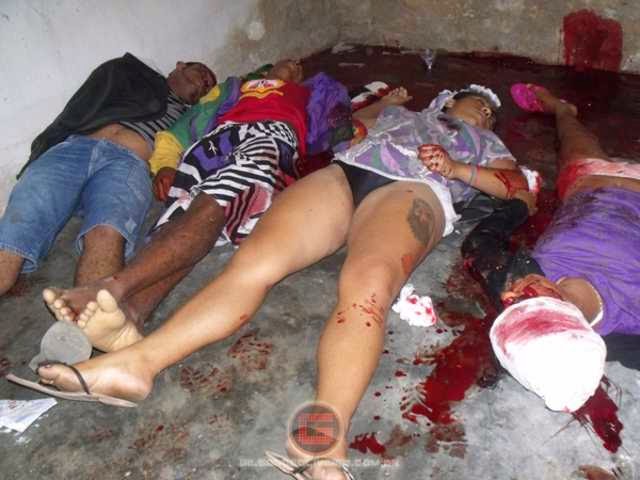
Ao chegarem ao local informado os policiais encontraram dois homens e duas mulheres feridos por arma de fogo, sendo que três já estavam mortas e uma ainda respirava.
De imediato foi acionado o Serviço de Atendimento Móvel de Urgência (SAMU) como também o corpo de Bombeiros, entretanto ela não resistiu aos ferimentos e morreu no local.
Os jovens foram alvejados com disparos de revólver calibre 38, na cabeça, rosto e nas costas.
No bolso da bermuda de uma das vítimas os policiais encontraram uma carteira de cigarros, um aparelho de telefone celular, uma pequena quantidade de maconha e Carteira Nacional de Habilitação em nome de Mateus dos Santos Siqueira, 20 anos. Inclusive a polícia foi informada de que ele trabalhava como moto taxista na cidade e morava nas proximidades da Vila de Zé de Melinha. Já as demais vítimas não portavam nenhuma documentação.
Em frente a casa foi encontrada uma motocicleta Honda, modelo Titan CG 150 de cor parta, com placa IAN 8209/SE (Itabaiana), provavelmente pertencente a Mateus. Somente com a chegada de parentes no local da chacina, os policiais conseguiram a identificação das duas jovens, como sendo A. P. dos S., 14 anos, moradora do conjunto Gilton Garcia, e J. P. dos S., 16 anos, residente no bairro Coruja.
Segundo informações passadas por parentes para a polícia, A. P. havia saído da companhia dos pais aos 13 anos e atualmente estava morando com um grupo de amigas.
Os peritos do Instituto de Criminalística estiveram na casa para analisar o local do crime e constatam que Ana Paula era quem apresentava o maior número de perfurações no corpo. Logo depois os corpos foram recolhidos pelo IML e levados para autopsia na capital sergipana, sendo que um deles estava sem identificação.
Ao chegarem ao local informado os policiais encontraram dois homens e duas mulheres feridos por arma de fogo, sendo que três já estavam mortas e uma ainda respirava.
De imediato foi acionado o Serviço de Atendimento Móvel de Urgência (SAMU) como também o corpo de Bombeiros, entretanto ela não resistiu aos ferimentos e morreu no local.
Os jovens foram alvejados com disparos de revólver calibre 38, na cabeça, rosto e nas costas.
No bolso da bermuda de uma das vítimas os policiais encontraram uma carteira de cigarros, um aparelho de telefone celular, uma pequena quantidade de maconha e Carteira Nacional de Habilitação em nome de Mateus dos Santos Siqueira, 20 anos. Inclusive a polícia foi informada de que ele trabalhava como moto taxista na cidade e morava nas proximidades da Vila de Zé de Melinha. Já as demais vítimas não portavam nenhuma documentação.
Em frente a casa foi encontrada uma motocicleta Honda, modelo Titan CG 150 de cor parta, com placa IAN 8209/SE (Itabaiana), provavelmente pertencente a Mateus. Somente com a chegada de parentes no local da chacina, os policiais conseguiram a identificação das duas jovens, como sendo A. P. dos S., 14 anos, moradora do conjunto Gilton Garcia, e J. P. dos S., 16 anos, residente no bairro Coruja.
Segundo informações passadas por parentes para a polícia, A. P. havia saído da companhia dos pais aos 13 anos e atualmente estava morando com um grupo de amigas.
Os peritos do Instituto de Criminalística estiveram na casa para analisar o local do crime e constatam que Ana Paula era quem apresentava o maior número de perfurações no corpo. Logo depois os corpos foram recolhidos pelo IML e levados para autopsia na capital sergipana, sendo que um deles estava sem identificação.
Tuesday, October 18, 2011
Gertrude Stein celebrated at two Washington DC museums by Jane O'Brien
Why do we care about Gertrude Stein? Two exhibits in Washington DC show that her influence extends far beyond the Jazz Age.
I've often wondered whether approaching a subject from a standpoint of total ignorance sharpens my investigative powers, or whether it simply leads to inevitable embarrassment from which I'll never recover.
I've often wondered whether approaching a subject from a standpoint of total ignorance sharpens my investigative powers, or whether it simply leads to inevitable embarrassment from which I'll never recover.
OCD, bipolar, schizophrenic and the misuse of mental health terms by Jon Kelly and Denise Winterman
Terms like "bipolar", "autistic" and "schizophrenic" are often used in jest to describe character traits. But how harmful is it to bandy the names of such conditions about?
It's a common form of hyperbole.
The neighbour who keeps his house tidy has Obsessive Compulsive Disorder (OCD). A socially awkward colleague is autistic. The weather isn't just changeable, it's bipolar.
It's a common form of hyperbole.
The neighbour who keeps his house tidy has Obsessive Compulsive Disorder (OCD). A socially awkward colleague is autistic. The weather isn't just changeable, it's bipolar.
Friday, October 14, 2011
Is Occupy Wall Street bad for the American Dream? by Kate Dailey
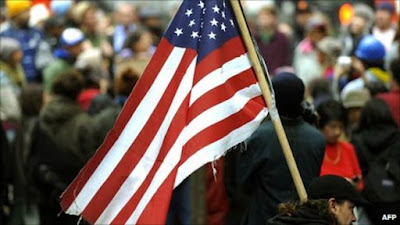
As the Occupy Wall Street movement has grown, more and more Americans are stepping up to share their stories and air their grievances.
But
not everyone is angry at Wall Street. Conservative reaction to the
movement has resulted in counter-protests and new memes, like
conservative columnist Erick Erickson's new site, We Are The 53%.
The
site is a reaction to We Are The 99 Percent, a website that allows
citizens to upload photos of themselves holding a sign with their story -
such as too much student debt, trouble getting a job, or no health
insurance.
Contributors claim they stand in opposition
to the 1% of Americans who control the majority of the country's wealth,
as well as the big business and government systems they say allowed the
economy to flounder.
Character test
The counter site doesn't defend any of those institutions. It's doesn't defend bonuses for bankers or justify the rich's low tax rate. The 53% refers to the percentage of Americans who currently pay federal income taxes. The unifying theme of the site is of a rejection of entitlement.
Both
sites showcase stories of working long hours, declining home values and
shaky economic futures, of people working multiple jobs to get through
college, and finding themselves saddled with burdensome debt.
Contributors on both say that they find value in work and want to be part of a productive society.
For the 99%, those stories exemplify the current problems with America's economy. "Those who are protesting say 'it's not anything I individually have done' but a larger systematic reason," says Lauren Duncan, professor of sociology at Smith College in Massachusetts.
Those 53%, however, see their trials as part of a character test, and have either come out the other end or believe that with enough hard work, they will persevere.
To them, "the system is fundamentally fair, and you people have done something wrong and need to pull yourself up by your bootstraps," says Ms Duncan.
The idea of bootstraps - or that individuals are responsible for their own economic success and failures - is one that's deeply rooted in American culture. The notion that if one works hard enough, one will reap the rewards is one of the basic tenets of the American dream.
And it's the future of the American Dream that's being defended by both the 53% movement and the 99% movement it criticises.
"People don't really disagree that much about what's deserving. People think that hard work and studying, being willing to take some risks are all associated with being deserving," says Samuel Bowles, an economist at the Sante Fe institute.
"Other things don't count for being deserving,", he adds, like getting money without earning it, getting breaks based on race, or "lucking" into one's good fortune.
Contributors on both say that they find value in work and want to be part of a productive society.
For the 99%, those stories exemplify the current problems with America's economy. "Those who are protesting say 'it's not anything I individually have done' but a larger systematic reason," says Lauren Duncan, professor of sociology at Smith College in Massachusetts.
Those 53%, however, see their trials as part of a character test, and have either come out the other end or believe that with enough hard work, they will persevere.
To them, "the system is fundamentally fair, and you people have done something wrong and need to pull yourself up by your bootstraps," says Ms Duncan.
The idea of bootstraps - or that individuals are responsible for their own economic success and failures - is one that's deeply rooted in American culture. The notion that if one works hard enough, one will reap the rewards is one of the basic tenets of the American dream.
And it's the future of the American Dream that's being defended by both the 53% movement and the 99% movement it criticises.
"People don't really disagree that much about what's deserving. People think that hard work and studying, being willing to take some risks are all associated with being deserving," says Samuel Bowles, an economist at the Sante Fe institute.
"Other things don't count for being deserving,", he adds, like getting money without earning it, getting breaks based on race, or "lucking" into one's good fortune.
But while the narrative of the US economic system is one that's strictly merit-based, the reality is less clear-cut.
The biggest indicator for success in America is not a level of merit or hard work, but the amount of wealth inherited from family members, says Mr Bowles.
But it's not the only factor, of course: Barack Obama is nothing if not the American dream personified: mixed race, born to a single mother, working for everything he accomplished.
"Merit itself is not a myth," says Stephen McNamee, author of The Meritocracy Myth.
"Merit enhances prospects for mobility, but it's still about beating the odds. Some people do break through the system on the basis of merit, luck, or other sorts of non-merit ways," he says, while others may be very deserving and still come up short.
"There's a disconnect between how people perceive how the system works and how it actually works," he says.
"But it's so ambiguous - as long as there's some chance to start out, go from rags to riches, then the presumption is that if it can occur at all, it can occur for anybody."
The biggest indicator for success in America is not a level of merit or hard work, but the amount of wealth inherited from family members, says Mr Bowles.
But it's not the only factor, of course: Barack Obama is nothing if not the American dream personified: mixed race, born to a single mother, working for everything he accomplished.
"Merit itself is not a myth," says Stephen McNamee, author of The Meritocracy Myth.
"Merit enhances prospects for mobility, but it's still about beating the odds. Some people do break through the system on the basis of merit, luck, or other sorts of non-merit ways," he says, while others may be very deserving and still come up short.
"There's a disconnect between how people perceive how the system works and how it actually works," he says.
"But it's so ambiguous - as long as there's some chance to start out, go from rags to riches, then the presumption is that if it can occur at all, it can occur for anybody."
That
presumption has fuelled innovation and ambition. It's also led to a
reluctance to confront systemic problems when things do go wrong.
"When things haven't worked out, they have tended to blame themselves instead of look for structural solutions," says Jim Cullen, author of The American Dream.
It can result in dangerous conclusions.
"It presumes that those who have great wealth deserve it because they earned it. The flip side is presumed to be true, that those at the bottom of the system are seen to be non-meritorious," says Mr McNamee.
That makes it easy to write off those who are suffering in the economy as undeserving, he says.
Conversely, one could argue that it leads some people to decide that honest labour is both hard to come by and not worth the effort.
That doesn't mean the American Dream is a bad thing. In fact, just the opposite. The idea that hard work should pay off is an American ideal, and one worth fighting for - the question now is how.
"When things haven't worked out, they have tended to blame themselves instead of look for structural solutions," says Jim Cullen, author of The American Dream.
It can result in dangerous conclusions.
"It presumes that those who have great wealth deserve it because they earned it. The flip side is presumed to be true, that those at the bottom of the system are seen to be non-meritorious," says Mr McNamee.
That makes it easy to write off those who are suffering in the economy as undeserving, he says.
Conversely, one could argue that it leads some people to decide that honest labour is both hard to come by and not worth the effort.
That doesn't mean the American Dream is a bad thing. In fact, just the opposite. The idea that hard work should pay off is an American ideal, and one worth fighting for - the question now is how.
Googling the ghosts of Montparnasse cemetery by Hugh Schofield
Paris is well-known for its cemeteries, the most famous being Pere Lachaise, where tourists seek out the tomb of Oscar Wilde. But I live next to another great 19th Century cemetery in Montparnasse - and when I go there I always take my phone.
It is funny how we love a graveyard.
You would think we would find contemplation of all that decomposition and mortality to be off-putting, but we do not. Or at least I do not.
It is funny how we love a graveyard.
You would think we would find contemplation of all that decomposition and mortality to be off-putting, but we do not. Or at least I do not.
Developers threaten animals in Croatia's cave network by Tom Heap
Species of animals, millions of years old, could be wiped out by pollution and development in Croatia, according to a new breed of cave biologists.
Jana Bedek and her team of bio-speleologists have recently discovered that the underground networks of the Balkans, especially Croatia, have the richest cave fauna in the world.
Jana Bedek and her team of bio-speleologists have recently discovered that the underground networks of the Balkans, especially Croatia, have the richest cave fauna in the world.
'Heat Armageddon' in California's Death Valley by Huw Cordey
This year's British summer has been officially declared the coolest in two decades. But what is it like to experience the inferno of California's Death Valley?
Death Valley is the lowest, driest, hottest place in North America. And if that is not enough to persuade the die-hard sun-seekers to visit, it also has the record for the hottest July ever recorded anywhere in the world - a blistering 134F (57C).
Death Valley is the lowest, driest, hottest place in North America. And if that is not enough to persuade the die-hard sun-seekers to visit, it also has the record for the hottest July ever recorded anywhere in the world - a blistering 134F (57C).
South Sudan adopts the language of Shakespeare By Rosie Goldsmith
The young nation of South Sudan has chosen English as its official language but after decades of civil war, the widespread learning of English presents a big challenge for a country brought up speaking a form of Arabic.
I knew there might be problems as soon as I arrived at Juba International airport - and was asked to fill in my own visa form, as the immigration officer could not write English.
I knew there might be problems as soon as I arrived at Juba International airport - and was asked to fill in my own visa form, as the immigration officer could not write English.
Arab Spring spells uncertainty for Israel by Jeremy Bowen
The extraordinary developments in the Middle East and North Africa this year have not been entirely welcomed by the authorities in Israel, who now have a range of new problems to add to some more familiar ones.
My passports say it all. Like most foreign correspondents in the Middle East I have two - one for Israel, the other for Arab countries.
My passports say it all. Like most foreign correspondents in the Middle East I have two - one for Israel, the other for Arab countries.
Subscribe to:
Posts (Atom)


Popular Posts
-
শিশুদের বার্নআউট হওয়ার লক্ষণ অনেকেরই চোখ এড়িয়ে যায়। কারণ, বড়দের তুলনায় তাদের চাপকে অনেকেই হালকা মনে করেন। এ ছাড়া অনেকে ভাবেন, শিক্ষাজীবন হলো...
-
কিডনির রোগকে বলা হয় ‘নীরব ঘাতক’। কারণ, অনেক সময় কোনো লক্ষণ ছাড়াই এটি ধীরে ধীরে শরীরকে ক্ষতিগ্রস্ত করে। অথচ সামান্য সচেতনতা, নিয়মিত পরীক্ষা এ...
-
 প্লেবয় ম্যাগাজিনের প্রচ্ছদে নিজেকে নগ্নভাবে মেলে ধরে ব্যাপকভাবে সমালোচনায় আসা শার্লিন চোপড়া এবার ভারতীয় চলচ্চিত্রে নগ্নতার বৈধতা চাই...
 -
 ‘সেক্স’ ছাড়া এক ঘণ্টার বেশি এক মুহূর্ত থাকতে পারেননা অভিনেত্রী ভূমি পাড়নেকার৷ না, কমেন্ট টা কিন্তু তিনি নিজে করেননি৷ করেছেন তাঁর সহ অভ...
 -
 ক্যারিয়ারের শুরু থেকেই নগ্নতার মাধ্যমে আলোচনা-সমালোচনায় রয়েছেন ভারতীয় মডেল-অভিনেত্রী পুণম পা-ে। ‘ভারত বিশ্বকাপে চ্যাম্পিয়ন হলে নগ্ন হয়ে...
 -
 প্রতীকি ছবি এখনও কুমারী থাকা ১৬ কলেজছাত্রীকে বৃত্তি দিয়েছে দক্ষিণ আফ্রিকার এক মেয়র। এর মাধ্যমে অন্যদের কুমারিত্ব ধরে রাখার জন্য উৎসা...
 -
 C onservative groups responding to Occupy Wall Street argue that hard work, not protests, will bring people out of poverty. Is that tr...
 -
 নাইওর-ফিরতি কনের মতো মন খারাপ করা বিকেলে টুকু বৈদ্যবাড়ি পৌঁছায়—সে আর তার স্বামী। সকালেই যাত্রা করেছিল তারা। দুপুরে দাওয়াত ছিল আমির হোসে...
 -
 বয়স তখন সবে ৭ বছর। তখনও সাবালিকা হতে অনেক দেরি। তবে সেই শিশু বয়সেই পরিচয় ঘটে জীবনের এক ভয়ঙ্কর দুর্বিসহ ঘটনার সঙ্গে। ৩২ বছর ধরে বুকের এক...
 -
 বিশ্ববিদ্যালয় ও কলেজগুলোয় ছাত্র সংসদের নিয়মিত নির্বাচন হলে দেশে নেতৃত্বের দেউলিয়াপনা সৃষ্টি হতো না বলে মন্তব্য করেছেন সাবেক প্রেসিডেন্ট...